Defence & Security

U.S. Urges Indo-Pacific Allies to Define Roles in Potential Taiwan Conflict

DOWNLOAD IPFS

The United States is stepping up diplomatic and military efforts to secure clear commitments from its Indo-Pacific allies, particularly Japan and Australia, in preparation for a possible conflict over Taiwan. This strategic push comes amid rising tensions with China and reflects Washington’s desire to strengthen its regional deterrence capabilities.

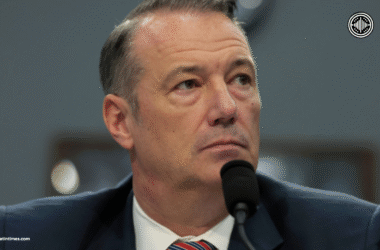
At the core of this effort is a Pentagon initiative led by Under Secretary of Defense for Policy Elbridge Colby, who has requested that partner nations specify how they would contribute to the event of a military escalation. These contributions could include logistics, intelligence sharing, or direct support. The move challenges traditional norms of strategic ambiguity and has caught some allies off guard.

Australia, currently hosting the massive TALISMAN SABRE military exercise involving 40,000 troops from 19 countries, has publicly declined to pre-commit forces. Defense Industry Minister Pat Conroy stated that any future deployment would be decided in real time, based on national interest and parliamentary approval. Japan, constrained by its pacifist constitution and political sensitivities, is also cautious, focusing instead on non-combat roles such as intelligence cooperation and humanitarian support.

In parallel, the U.S. is shifting to a “just-in-case” logistics strategy, storing military equipment and supplies in Australia. The stockpiling is intended to ensure rapid response capabilities and serve as a hedge against supply disruptions in a crisis scenario. U.S. officials acknowledge logistics remain a critical vulnerability in any Taiwan contingency.

Taiwan itself is increasing its own defense readiness through its annual Han Kuang military drills. These exercises include live-fire operations with High Mobility Artillery Rocket Systems (HIMARS), mock civilian evacuations, and cybersecurity training. The island’s government aims to bolster public preparedness and signal determination to resist any Chinese aggression.

At a recent Aspen Strategy Group meeting, U.S. officials emphasized the importance of balancing deterrence with diplomacy. They reiterated opposition to unilateral moves toward Taiwanese independence, while calling for stronger coordination among allies to maintain peace in the region.

Despite shared concerns about China’s expanding military presence in the South China Sea and near Taiwan, allied responses remain cautious and politically complex. Analysts suggest that without clearer commitments, the effectiveness of any joint response could be compromised in a real-world crisis.

As regional tensions build, the U.S. push for defined allied roles underscores both the urgency of military preparedness and the diplomatic tightrope Washington must walk to hold together a fragile but essential security coalition.

Leave a Comment

Your email address will not be published. Required fields are marked *

*

OPENVC Logo OpenVoiceCoin $0.00
OPENVC

Latest Market Prices

Bitcoin

Bitcoin

$68,965.61

BTC -2.23%

Ethereum

Ethereum

$2,081.17

ETH 0.91%

NEO

NEO

$2.78

NEO -4.60%

Waves

Waves

$0.51

WAVES -1.11%

Monero

Monero

$330.17

XMR 2.66%

Nano

Nano

$0.59

NANO -1.13%

ARK

ARK

$0.19

ARK 3.22%

Pirate Chain

Pirate Chain

$0.28

ARRR -0.24%

Dogecoin

Dogecoin

$0.10

DOGE -0.49%

Litecoin

Litecoin

$55.13

LTC 0.24%

Cardano

Cardano

$0.27

ADA -1.65%

Subscribe to Blog via Email

Enter your email address to subscribe to this blog and receive notifications of new posts by email.