Economics

U.S. Can Cripple Russia’s Oil Earnings Without ‘Secondary Tariffs’

DOWNLOAD IPFS

A recent analysis by Reuters Breakingviews suggests that the United States could significantly reduce Russia’s oil revenues, estimated at $160 billion annually, without resorting to the use of so-called “secondary tariffs.” Rather than implementing sweeping punitive tariffs against countries that continue to buy Russian oil, the U.S. could pursue a more strategic combination of diplomatic engagement and targeted enforcement to apply pressure without triggering economic blowback.

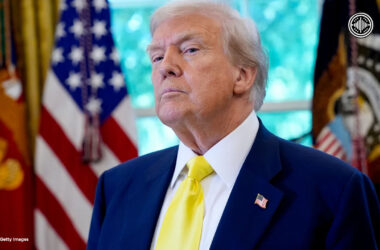
President Donald Trump had previously threatened to impose 100 percent tariffs on nations importing Russian oil unless Moscow agreed to withdraw from Ukraine within 50 days. While the proposal garnered attention, markets largely dismissed the threat, with oil prices falling rather than surging following the announcement. Analysts warned that such broad tariffs could disrupt global energy markets and alienate major U.S. partners like India and China, nations heavily reliant on Russian crude.

Instead of risking inflation and global supply shocks, the Breakingviews analysis recommends a nuanced strategy. This includes persuading large importers such as India and Turkey to scale back Russian oil purchases through diplomatic incentives, offering expanded energy cooperation or defense agreements in return. Simultaneously, Washington could work with oil producers like Saudi Arabia and the United Arab Emirates to increase global supply, softening the economic impact of reduced Russian output.

Another key element of this approach involves lowering the Group of Seven (G7) oil price cap, currently set between $47 and $60 per barrel, and cracking down on Russia’s so-called “shadow fleet,” a network of tankers circumventing sanctions through opaque ownership and lax oversight. Tighter enforcement on shipping and insurance restrictions could further curtail Russia’s ability to profit from energy exports, especially if paired with renewed sanctions coordination among allies.

By implementing a mix of supply-side diplomacy, enforcement of maritime restrictions, and renewed pressure on price caps, the U.S. could effectively cut Russia’s oil revenue stream in half without provoking the unintended consequences of aggressive secondary sanctions.

Experts argue that this coordinated strategy avoids punishing U.S. allies and maintains international goodwill while undermining the Kremlin’s war chest. It also provides greater flexibility to adjust tactics in response to evolving global market conditions, something a blanket tariff policy could not achieve.

In a world already burdened by inflation and geopolitical tension, this targeted, cooperative method may offer Washington a more sustainable and effective path to weaken Russia economically without escalating global trade hostilities.

Leave a Comment

Your email address will not be published. Required fields are marked *

*

OPENVC Logo OpenVoiceCoin $0.00
OPENVC

Latest Market Prices

Bitcoin

Bitcoin

$68,888.91

BTC -1.48%

Ethereum

Ethereum

$2,077.20

ETH 1.69%

NEO

NEO

$2.77

NEO -3.77%

Waves

Waves

$0.50

WAVES -0.20%

Monero

Monero

$326.75

XMR 2.20%

Nano

Nano

$0.58

NANO -1.89%

ARK

ARK

$0.19

ARK 1.43%

Pirate Chain

Pirate Chain

$0.28

ARRR -0.78%

Dogecoin

Dogecoin

$0.10

DOGE -0.23%

Litecoin

Litecoin

$54.95

LTC 0.77%

Cardano

Cardano

$0.27

ADA -0.74%

Subscribe to Blog via Email

Enter your email address to subscribe to this blog and receive notifications of new posts by email.