Politics & Government

Tariff Deal Signals US and Philippines Agree at 19% and Deepen Defense Ties

DOWNLOAD IPFS

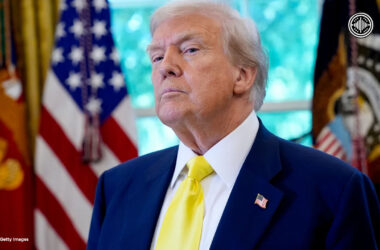
U.S. President Donald Trump and Philippine President Ferdinand Marcos Jr. met at the White House on July 22 to announce a new trade and defense agreement, ending uncertainty over escalating tariffs and signaling a strategic boost in bilateral relations. The deal includes a 19 percent U.S. tariff on Philippine imports, slightly lower than the previously threatened 20 percent, while the Philippines will remove tariffs on select American goods, including automobiles.

The agreement follows months of pressure stemming from Trump’s broader “reciprocal tariff” policy, which had already hit Manila with a 17 percent levy in April. Those tariffs impacted vital sectors such as electronics, agriculture, and seafood. Marcos secured a modest concession with the lower rate, aimed at easing economic strain at home. The White House framed the deal within a broader strategic context, citing reinforced defense cooperation and mutual regional priorities.

This agreement mirrors similar tariff frameworks reached with Indonesia and Japan, where 19 percent and 15 percent rates were agreed, respectively. Financial markets reacted positively, though several regional nations remain uncertain amid ongoing trade negotiations and looming tariff deadlines.

Both leaders emphasized the strategic and economic value of the deal. President Marcos called it a reaffirmation of the Philippines’ role as a key U.S. ally in Southeast Asia, especially amid increasing tensions in the South China Sea. He also highlighted the expanding military partnership under the Enhanced Defense Cooperation Agreement (EDCA), which provides U.S. forces access to key Philippine bases. President Trump praised Marcos’s diplomacy and hinted at future engagement in the region, including a possible visit to China.

Chinese officials expressed concern but urged stability, underscoring Beijing’s discomfort with the growing U.S.-Philippines alignment. Nevertheless, the deal reflects Washington’s ongoing pivot toward Asia, leveraging trade as a tool for both diplomacy and security.

Analysts say that despite the tariff reduction, Philippine exporters, especially in high-tech manufacturing and agriculture, still face price competitiveness issues. However, Manila’s economic team views the agreement as a path to attract greater U.S. investment and diversify supply chains within the Association of Southeast Asian Nations (ASEAN).

For conservative policymakers and defense-focused strategists, the agreement represents a dual success: securing national security interests while recalibrating trade terms in favor of American industry. It reflects Trump’s continued use of tariffs not just as an economic tool, but as a cornerstone of foreign policy.

The test going forward will be in execution. Will the tariff relief provide lasting economic benefits? Will the military partnership expand deterrence in the Indo-Pacific? For now, the agreement affirms the strength of the U.S.-Philippines alliance and underscores how trade can be wielded to advance both security and strategic influence.

Leave a Comment

Your email address will not be published. Required fields are marked *

*

OPENVC Logo OpenVoiceCoin $0.00
OPENVC

Latest Market Prices

Bitcoin

Bitcoin

$69,002.88

BTC 2.59%

Ethereum

Ethereum

$2,040.89

ETH 4.73%

NEO

NEO

$2.78

NEO -1.32%

Waves

Waves

$0.50

WAVES 0.77%

Monero

Monero

$327.04

XMR 4.95%

Nano

Nano

$0.58

NANO -1.48%

ARK

ARK

$0.20

ARK 15.01%

Pirate Chain

Pirate Chain

$0.27

ARRR -1.17%

Dogecoin

Dogecoin

$0.10

DOGE 1.48%

Litecoin

Litecoin

$54.08

LTC 1.35%

Cardano

Cardano

$0.27

ADA 2.48%

Subscribe to Blog via Email

Enter your email address to subscribe to this blog and receive notifications of new posts by email.