Finance

European Economic Growth Stalls at 0.1% as Impact of U.S. Tariffs Deepens

Download IPFS

Europe’s economy saw virtually no growth in the second quarter of 2025, as an earlier push to move exports ahead of new U.S. tariffs faded and economic momentum slowed across several major countries. According to Eurostat, the European Union’s statistics agency, gross domestic product (GDP) in the euro area expanded by just 0.1% from April to June compared to the previous quarter, with year-on-year growth at 1.4%. The slowdown reflects weakening demand, ongoing trade pressures, and persistent structural challenges, particularly in Germany.

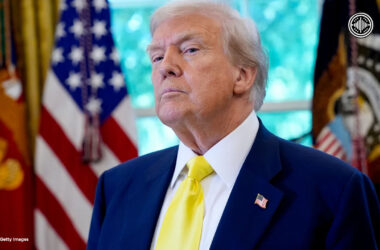
The sluggish performance follows a stronger first quarter, when companies rushed to export goods in advance of a fresh round of tariffs from the United States. The tariff measures, announced by President Donald Trump on April 2, imposed a 15% import tax on a broad range of European products. That urgency helped drive an unexpectedly high 0.6% GDP growth rate in the first quarter, a pace that has proven unsustainable. With the new tariffs now in effect, European exports are under increased pressure, facing either higher prices for American consumers or reduced profit margins for producers.

Germany, the continent’s largest economy, contracted by 0.1% in the second quarter, its second negative performance in three quarters. Italy matched that 0.1% decline, while France saw modest growth of 0.3%, mostly attributed to rising inventories in the automotive and aerospace sectors. However, French domestic demand remained flat. Spain stood out among the eurozone’s largest economies, reporting 0.7% growth, driven by stronger internal consumption and investment activity.

The outlook for the rest of 2025 remains cautious. Franziska Palmas, senior Europe economist at Capital Economics, projected that the 15% U.S. tariff alone could shave about 0.2% off the eurozone’s annual GDP. In her assessment, “growth is likely to remain weak in the rest of this year,” particularly as core exporters like Germany feel the brunt of diminished trade activity.

Germany’s economy remains approximately the same size as it was before the COVID-19 pandemic six years ago, hampered by structural issues that continue to weigh on competitiveness. The export-heavy industrial sector is grappling with a range of long-term challenges, including growing competition from Chinese manufacturers, a skilled labor shortage, elevated energy costs, delayed infrastructure upgrades, and regulatory burdens that have slowed investment and innovation.

Palmas further noted that Germany is likely to endure a greater impact from the current tariff regime than other major European economies. However, she pointed to potential recovery in the medium term, with the new administration under Chancellor Friedrich Merz preparing increased public investment in infrastructure. These measures, if fully implemented, are expected to take effect by 2026 and could provide a much-needed boost to economic activity and industrial modernization.

As Europe contends with the ripple effects of global trade shifts and internal inefficiencies, the near-term path remains uncertain. The combination of protectionist policies abroad and unresolved structural issues at home continues to test the resilience of the eurozone economy.

Leave a Comment

Your email address will not be published. Required fields are marked *

*

OPENVC Logo OpenVoiceCoin $0.00
OPENVC

Latest Market Prices

Bitcoin

Bitcoin

$68,444.94

BTC 5.59%

Ethereum

Ethereum

$2,022.64

ETH 8.00%

NEO

NEO

$2.79

NEO 1.79%

Waves

Waves

$0.50

WAVES 2.64%

Monero

Monero

$324.99

XMR 7.23%

Nano

Nano

$0.56

NANO -0.75%

ARK

ARK

$0.19

ARK 14.78%

Pirate Chain

Pirate Chain

$0.27

ARRR 3.51%

Dogecoin

Dogecoin

$0.10

DOGE 5.66%

Litecoin

Litecoin

$53.92

LTC 6.16%

Cardano

Cardano

$0.27

ADA 7.53%

Subscribe to Blog via Email

Enter your email address to subscribe to this blog and receive notifications of new posts by email.