Defence & Security

Trump Reaffirms U.S. Strikes Destroyed Iranian Nuclear Sites

Download IPFS

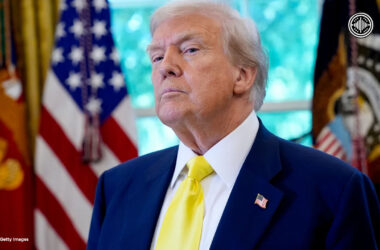
United States President Donald Trump has reaffirmed claims that American airstrikes in June decisively crippled Iran’s nuclear infrastructure. Despite mixed intelligence reports, Trump insists the sites were “destroyed,” warning Tehran that any future facilities will face the same fate.

The June 21 operation, reportedly codenamed Operation Midnight Hammer, targeted Iran’s key nuclear sites: Fordow, Natanz, and Isfahan. Trump stated on his social media platform, Truth Social, that “all three nuclear sites in Iran were destroyed and/or obliterated,” adding that it would take years for Iran to rebuild its nuclear capabilities. “They’d be better off starting anew in different locations,” he said.

Although Trump’s statement received backing from the U.S. Department of Defense, which labeled media reports downplaying the strike’s success as “fake news,” some intelligence assessments have cast doubt. According to CNN, U.S. intelligence agencies believe only the Fordow facility, located deep underground, suffered substantial damage. Natanz and Isfahan, both vital to Iran’s uranium enrichment program, were reportedly left largely functional.

The Defense Intelligence Agency (DIA) reportedly expressed “low confidence” in post-strike damage assessments, suggesting the impact may have only delayed Iran’s nuclear progress by a few months rather than delivering a long-term setback. Nevertheless, Pentagon spokesperson Sean Parnell dismissed such reports, maintaining that all three sites were “completely obliterated.”

In Tehran, Iranian President Masoud Pezeshkian reiterated the country’s stance on its nuclear program during a call with Armenian Prime Minister Nikol Pashinyan. Pezeshkian emphasized Iran’s commitment to peaceful nuclear development in line with international law, asserting the transparency of its activities. His remarks, published by Iran’s official Islamic Republic News Agency (IRNA), also accused foreign powers of trying to deny Iran its technological rights.

The current escalation follows a sharp uptick in regional tensions earlier this summer, when Israeli military action sparked a 12-day confrontation involving Iran. While official diplomatic talks between Washington and Tehran remain at a standstill, intermediaries from Qatar and Oman have continued informal backchannel discussions, according to multiple reports.

The backdrop to this standoff is the Joint Comprehensive Plan of Action (JCPOA), a 2015 agreement that imposed strict limits on Iran’s nuclear activities. The deal capped uranium enrichment at 3.67% and restricted Iran’s stockpile to 300 kilograms. After Trump withdrew the United States from the JCPOA in 2018, Iran resumed higher levels of enrichment, now reaching up to 60%, just below the weapons-grade threshold.

Adding to international concerns, President Pezeshkian recently approved legislation suspending Iran’s cooperation with the International Atomic Energy Agency (IAEA), raising further questions about the country’s transparency.

While the full impact of the U.S. airstrikes remains debated, Trump’s message is clear: any future efforts by Iran to rebuild its nuclear infrastructure will be met with decisive American force.

Leave a Comment

Your email address will not be published. Required fields are marked *

*

OPENVC Logo OpenVoiceCoin $0.00
OPENVC

Latest Market Prices

Bitcoin

Bitcoin

$68,888.91

BTC -1.48%

Ethereum

Ethereum

$2,077.20

ETH 1.69%

NEO

NEO

$2.77

NEO -3.77%

Waves

Waves

$0.50

WAVES -0.20%

Monero

Monero

$326.75

XMR 2.20%

Nano

Nano

$0.58

NANO -1.89%

ARK

ARK

$0.19

ARK 1.43%

Pirate Chain

Pirate Chain

$0.28

ARRR -0.78%

Dogecoin

Dogecoin

$0.10

DOGE -0.23%

Litecoin

Litecoin

$54.95

LTC 0.77%

Cardano

Cardano

$0.27

ADA -0.74%

Subscribe to Blog via Email

Enter your email address to subscribe to this blog and receive notifications of new posts by email.