Finance

Bessent’s Absence and BRICS Rift Likely to Undermine G20 Talks in Durban

DOWNLOAD IPFS

The G20 finance ministers’ meeting in Durban, South Africa, is facing growing skepticism over its effectiveness, as U.S. Treasury Secretary Scott Bessent is expected to skip the event and tensions between the United States and BRICS nations continue to escalate. With rising trade barriers and weakening multilateral cooperation, the global economic forum appears increasingly fractured.

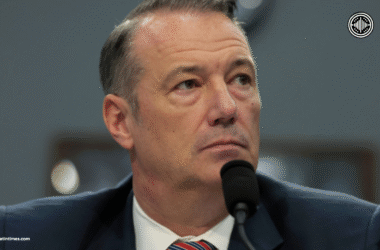
Bessent, who has already missed earlier G20 gatherings this year, will be absent once again, drawing criticism from global observers who say the U.S. is retreating from a central role in international economic diplomacy. Josh Lipsky, an international economics expert at the Atlantic Council, remarked that the continued no-shows call into question the long-term viability of the G20 and may signal a shift in America’s approach to global engagement.

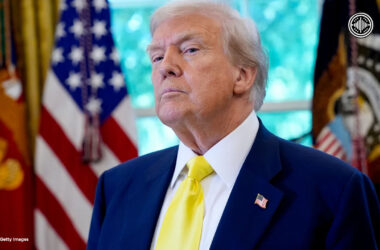
Meanwhile, new U.S. tariffs announced by President Donald Trump are putting further strain on relations with emerging economies. Starting August 1, imports from BRICS nations, Brazil, Russia, India, China, and South Africa, could face steep penalties, including a 10 percent baseline tariff on all goods, a 50 percent levy on steel and aluminum, a 25 percent duty on autos, and up to 200 percent on pharmaceuticals. The policy shift reflects the administration’s more protectionist trade posture, which has drawn concern from both allies and competitors.

This trade tension coincides with mounting economic stress in sub-Saharan Africa. The region’s external debt now stands at approximately $800 billion, nearly 45 percent of its total gross domestic product. As Chinese financing wanes and Western development aid slows, African economies are becoming more exposed to global financial shocks. South Africa, currently holding the G20 presidency, had aimed to use the summit to bridge North-South divisions and secure climate finance, but those ambitions may be overtaken by the need to address immediate economic fallout.

From a center-to-right perspective, the current approach risks undermining both global trade and U.S. leadership. While protecting domestic industries is a valid objective, broad tariffs without diplomatic coordination can disrupt global markets and isolate American influence. Reasserting presence in key forums like the G20, paired with a targeted, rules-based trade strategy, would better serve long-term economic and geopolitical goals.

In summary, the Durban G20 meeting is overshadowed by a lack of U.S. representation and rising friction with BRICS. Restoring economic dialogue and strengthening multilateral ties remain critical steps in stabilizing a fragile global economy.

Leave a Comment

Your email address will not be published. Required fields are marked *

*

OPENVC Logo OpenVoiceCoin $0.00
OPENVC

Latest Market Prices

Bitcoin

Bitcoin

$78,201.20

BTC 0.02%

Ethereum

Ethereum

$2,308.57

ETH -0.77%

NEO

NEO

$3.22

NEO -0.18%

Waves

Waves

$0.59

WAVES 7.48%

Monero

Monero

$381.49

XMR -7.00%

Nano

Nano

$0.64

NANO -0.75%

ARK

ARK

$0.21

ARK -2.86%

Pirate Chain

Pirate Chain

$0.39

ARRR 19.21%

Dogecoin

Dogecoin

$0.11

DOGE 1.25%

Litecoin

Litecoin

$60.01

LTC 0.45%

Cardano

Cardano

$0.30

ADA 0.76%

Subscribe to Blog via Email

Enter your email address to subscribe to this blog and receive notifications of new posts by email.